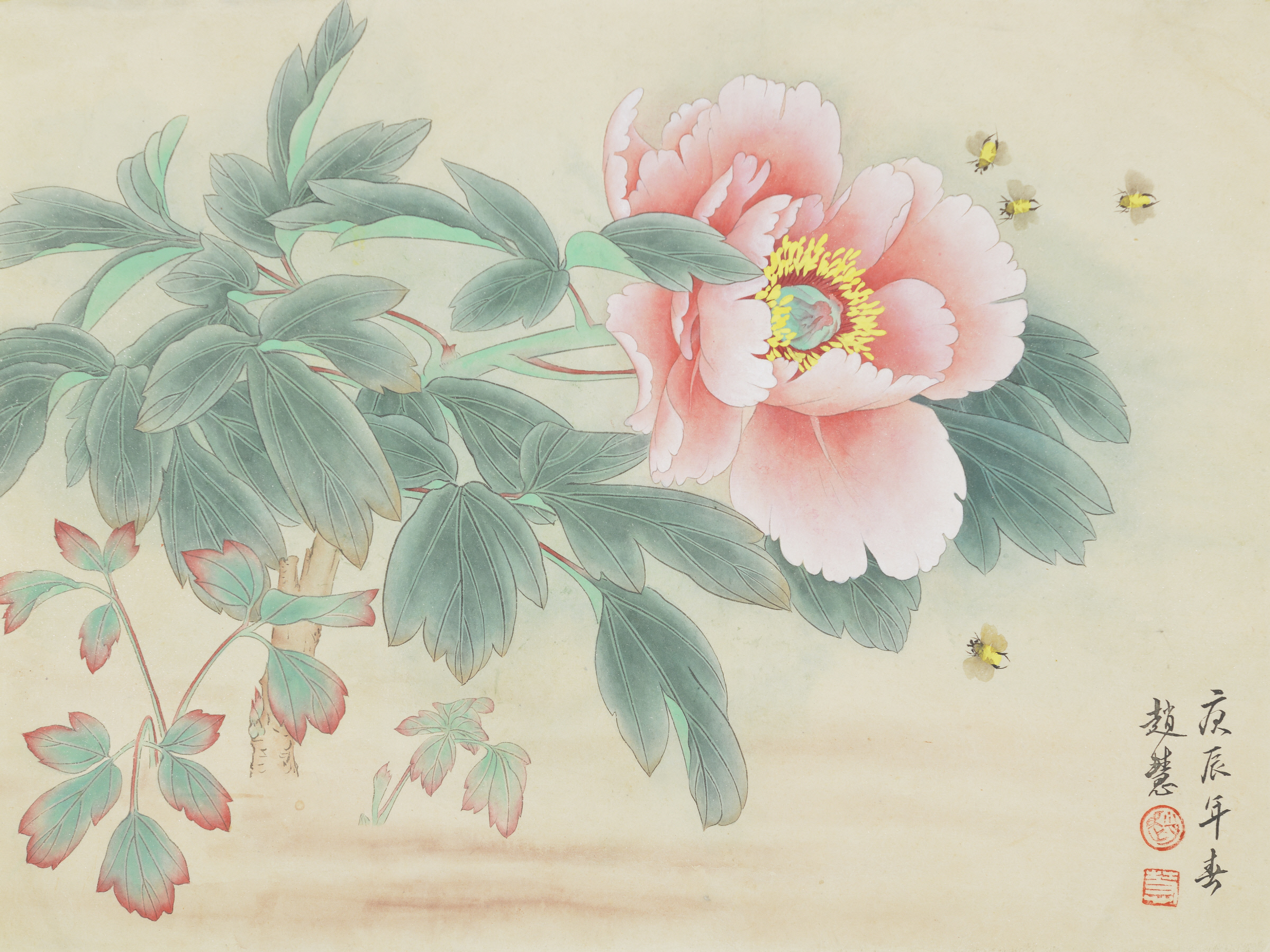
The Spring Flower Count in the AGGV Collection
At the Art Gallery, we have a flower count from our vast art collection. How many varieties can you name in the artworks in this article? Take our quiz and scroll down to the end for the answers!
At the Art Gallery, we have a flower count from our vast art collection. How many varieties can you name in the artworks in this article? Take our quiz and scroll down to the end for the answers!
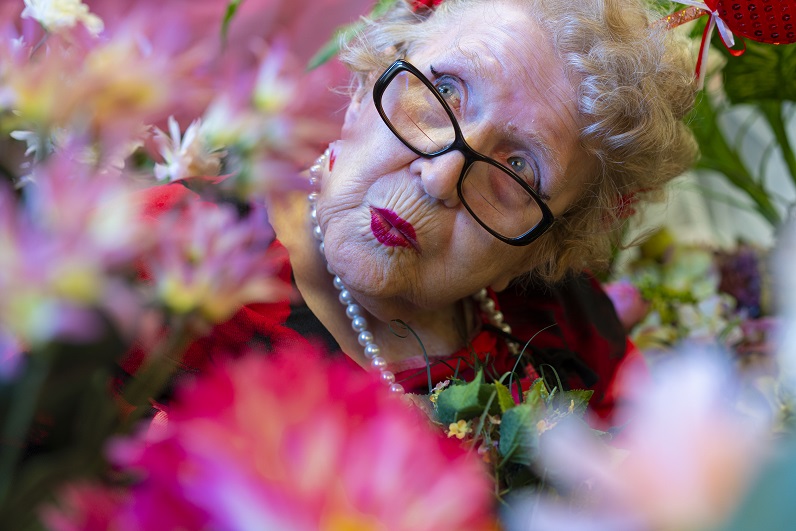
By Regan Shrumm, AGGV Curatorial Assistant
Since November 2019, Victoria-based artist Libby Oliver has been the Listener-in-Residence at Luther Court Society, a non-profit society that cares for 120 seniors through subsidized independent suites, home support, assisted living, and long-term care. Before Oliver’s residence ends with a public open house in May, Assistant Curator Regan Shrumm sat down with Oliver to share more about her art practice and the residence.

By Hannah Gelderman, AGGV Family Sunday Coordinator
I have joined the team at the Art Gallery of Greater Victoria as the Family Sunday Coordinator. I am excited for this opportunity to creatively facilitate engagement with the exhibits and to invite Family Sunday guests to explore, create, reflect and collaborate.
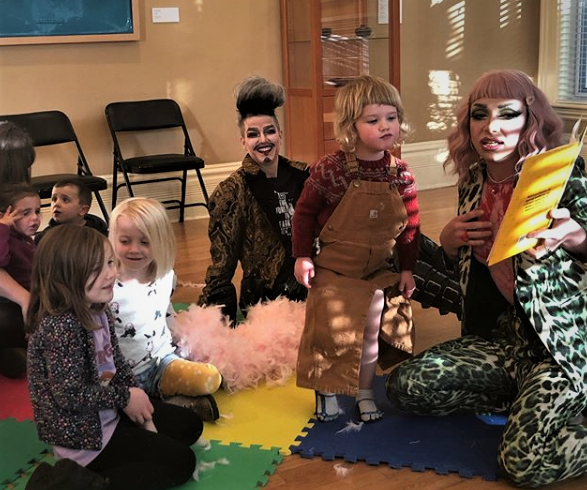
The Family Sunday team saw out the last decade with a bang, thanks to special guests, Persi Flage, Pop Tart and Used Victoria of Staches and Lashes Collective, whose high energy and warm fuzzy feelings brought love in every colour of the rainbow into the Gallery!
The Art Gallery of Greater Victoria houses one of the greatest and most diverse Asian art collections in Canada, with works from China, Japan, Korea, Tibet, India, Vietnam and Thailand. In this quarter’s segment of “Art Terms For Beginners”, we will continue to focus on terminology specific to Asian art and culture.
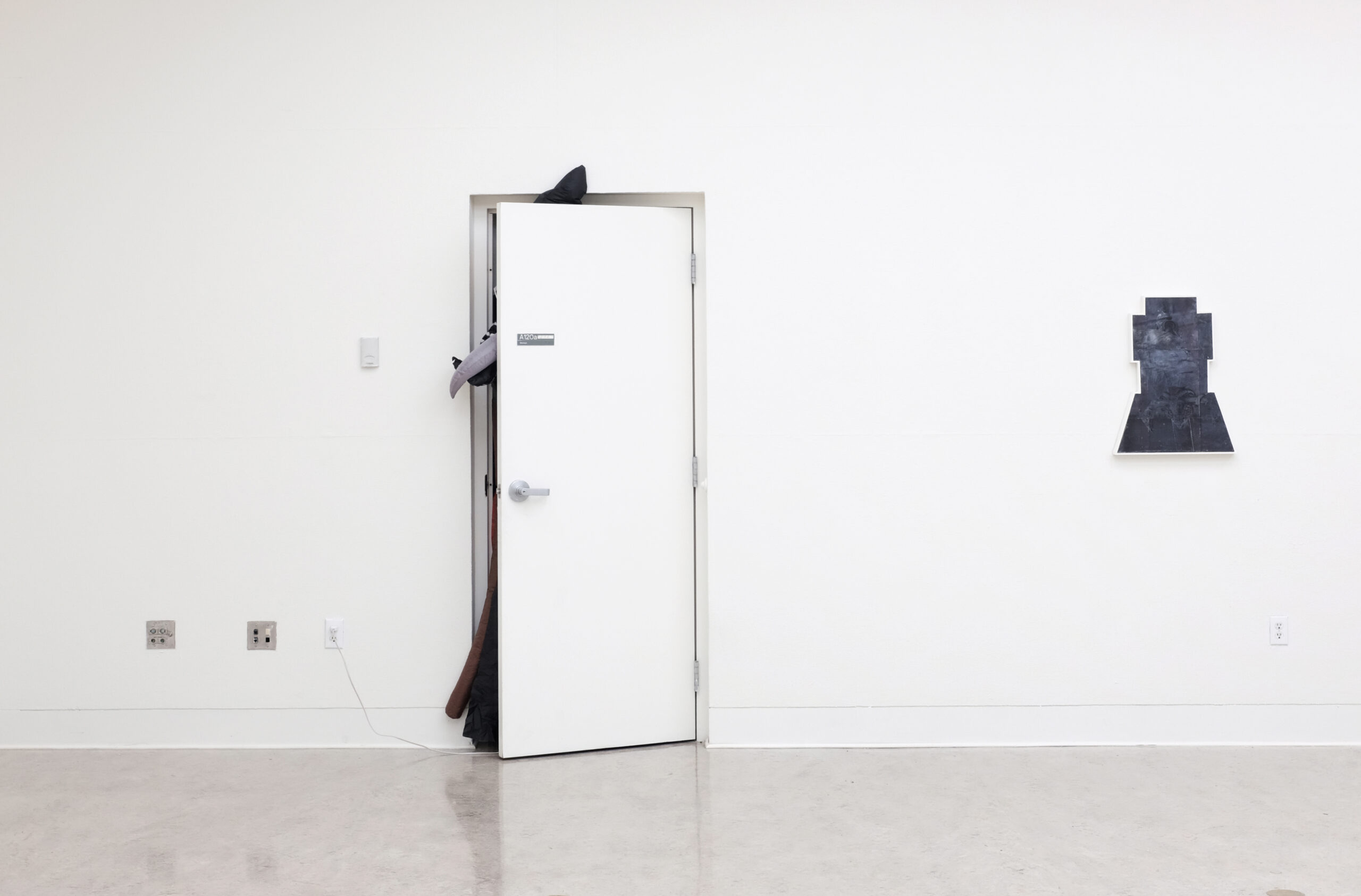
By Sherry Willing, AGGV Education Coordinator
The AGGV is launching a new series of free artist-led workshops for teens, beginning this spring and leading to the creation of a Youth Council in the fall provided twelve teens become involved.
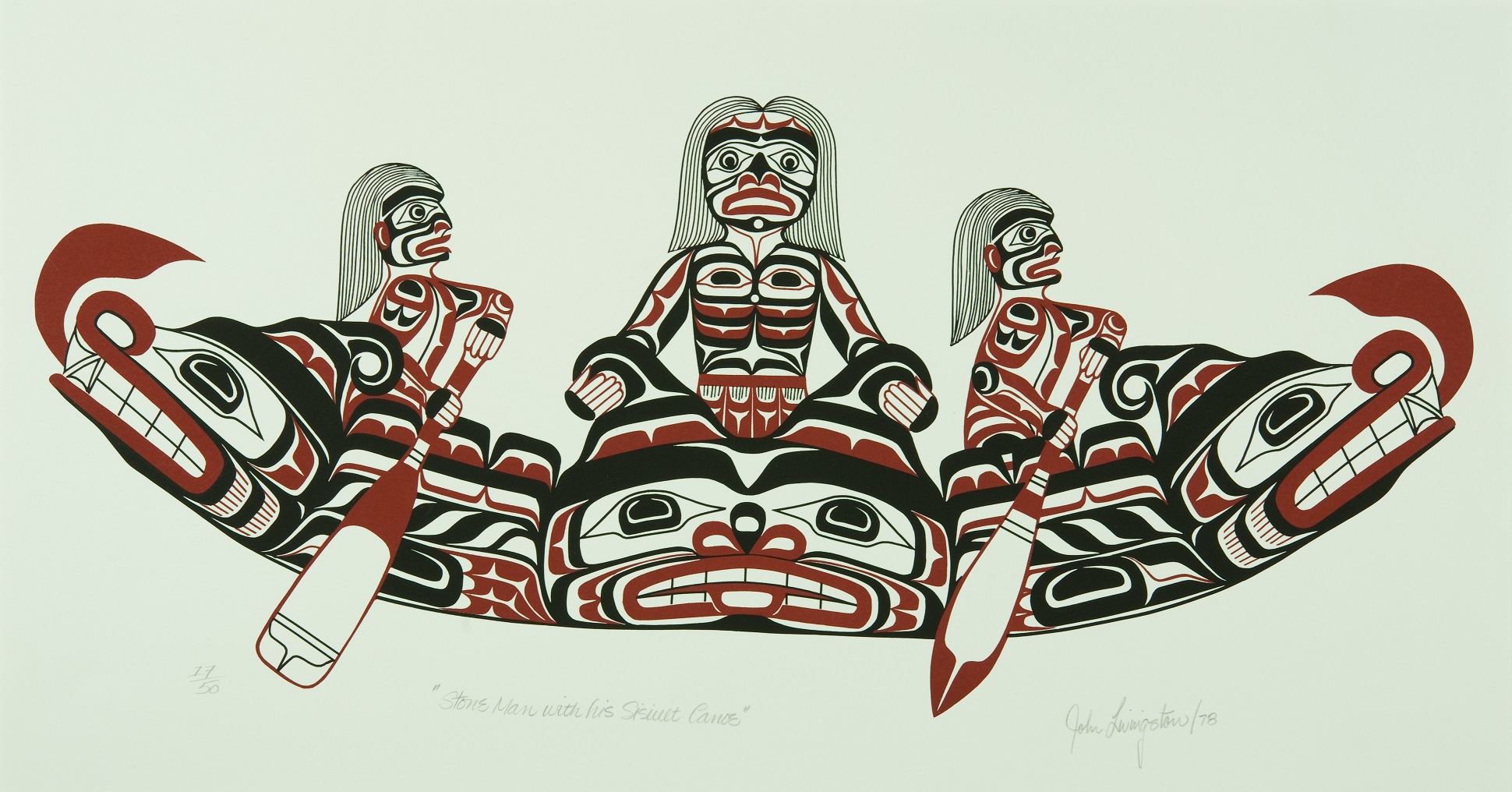
When the print media became a preferred medium for many First Nations artists, the artists practicing in the Northwest Coast developed a distinctive aesthetic culture that grew over the past 60 years. This is what is generally termed Coast Salish art.