Say What? Art Terms For Beginners, Part 9
Abstraction in art is a visual language that uses line, colour, form and composition that are non-representational or independent to a certain degree of any reference to the world.
Abstraction in art is a visual language that uses line, colour, form and composition that are non-representational or independent to a certain degree of any reference to the world.
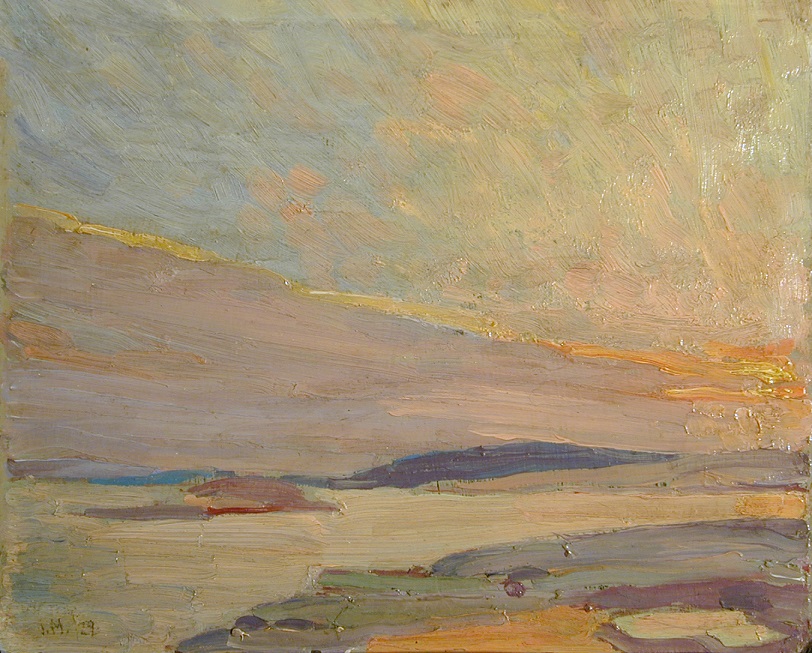
Widely considered to be some of the most important Canadian artists in the early 20th century, the Group was an organization of self-proclaimed modern artists, pioneers to a new Canadian art movement that rallied against the conservatism of the time.
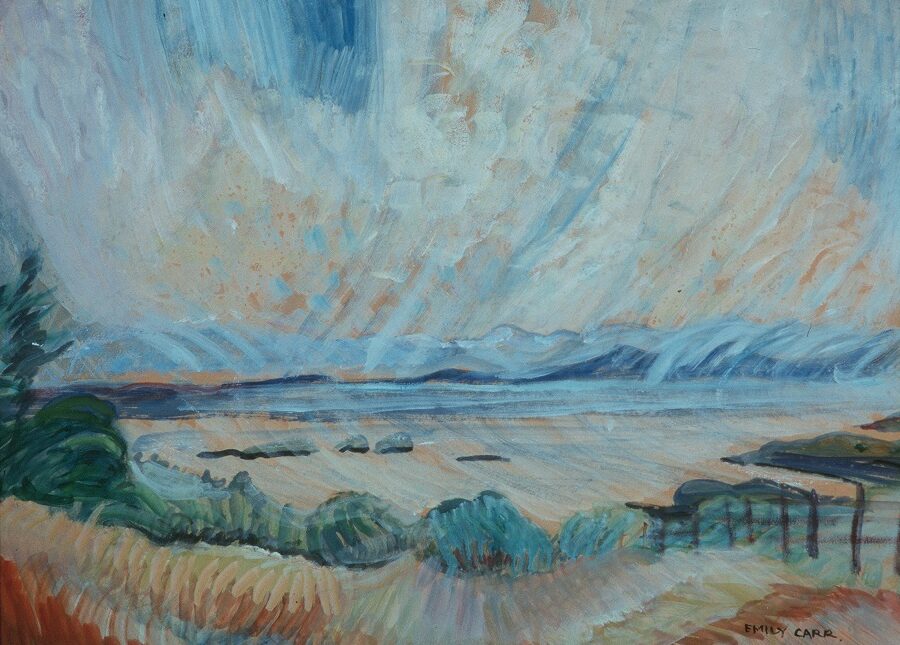
Emily Carr’s works compare and contrast with the works of David Milne, Lawren Harris, A.Y. Jackson, Vera Weatherbie and many others, giving the viewer a chance to come to terms with the meanings behind the paintings and the artists’ take on exploring the varied landscapes of Canada.
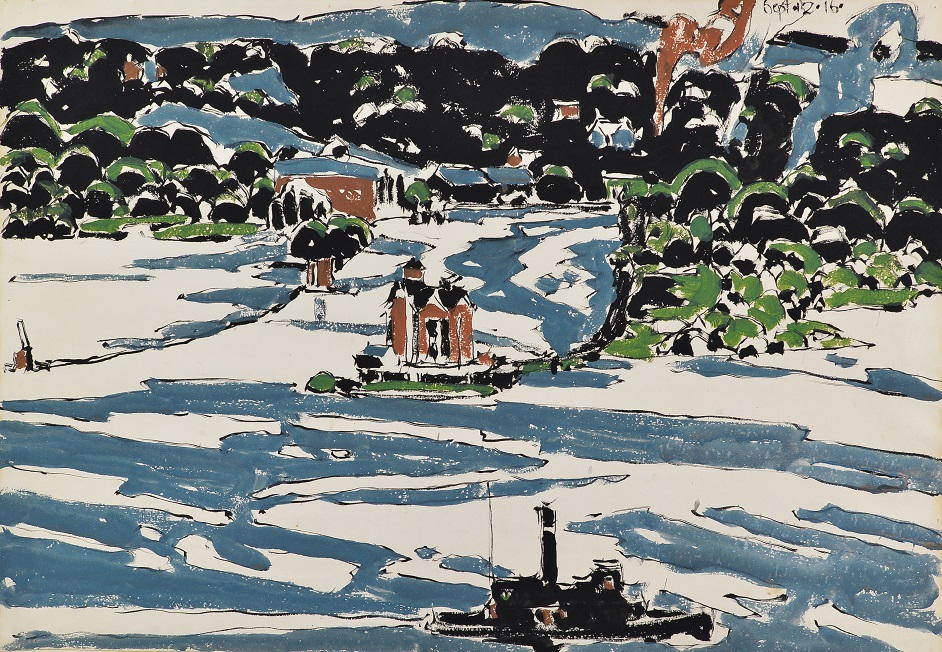
David Milne is known for his precision in technique and composition, choosing simple, uncomplicated objects for his still-life works and carefully planning his landscapes to ensure a pure aestheticism.
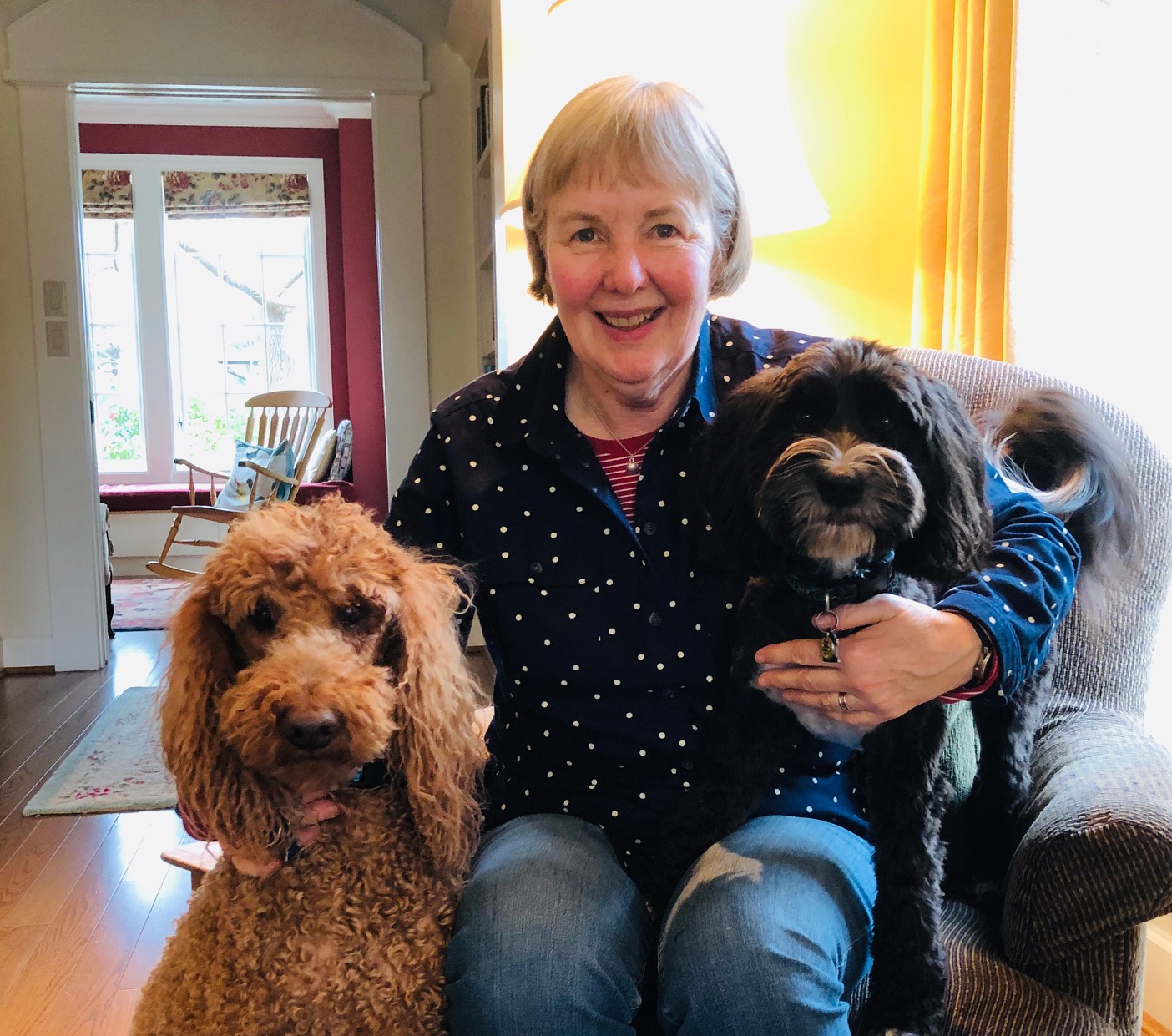
This is the imagined Emily Carr as a child, dreamed up by the award-winning Victoria-based children’s author, Kit Pearson, in her book A Day of Signs and Wonders (Harper Collins, 2016). We visited Pearson at her Oak Bay home which she shares with artist Katherine Farris and their two dogs, Piper and Brio, for a discussion on her book, and the two protagonists who lived in Victoria in 1881 – 9-year-old Emily and 13-year-old Kathleen O’Reilly.